
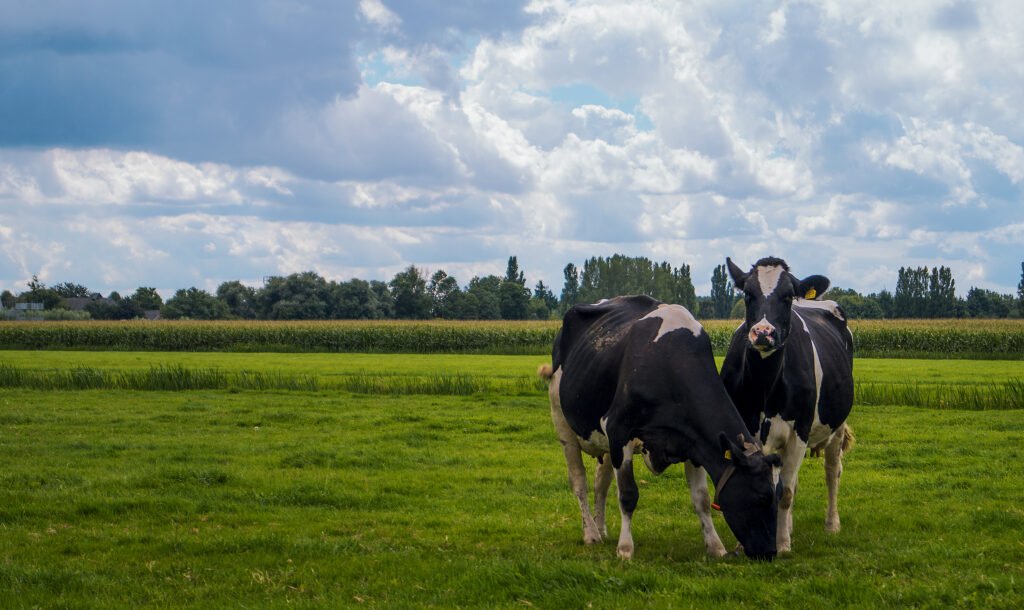
Livestock refers to domesticated animals kept on farms or agricultural properties for practical purposes and commercial use. These animals—such as cattle, sheep, goats, buffaloes, and poultry—are raised to produce valuable resources including milk, meat, eggs, wool, and leather. Beyond supplying essential food and raw materials, livestock serve as a vital financial asset and a source of reliable income for farm families and rural communities worldwide. Livestock and nature are deeply interconnected in the agricultural ecosystem. Grazing animals like cattle, sheep, and goats spend their days on open pastures, eating native grasses and natural vegetation. In return, their grazing habits help trim excess plant growth, encourage new plant life, and maintain healthy grasslands.
Animal manure acts as a natural fertilizer, returning rich organic nutrients directly back into the soil. This enriches the earth without the need for synthetic chemicals, improving soil quality and helping it hold moisture better. When managed carefully, livestock farming supports biodiversity, nurtures healthy pastureland, and maintains the natural balance between farm animals and the environment .Proper animal rearing is essential for the well-being of livestock. It involves providing clean shelter, balanced nutrition, and regular veterinary check-ups to prevent diseases. When farm animals are raised in a healthy and stress-free environment, they become more productive. Happy and healthy animals ensure better quality milk, wool, and food, which ultimately benefits both farmers and nature.
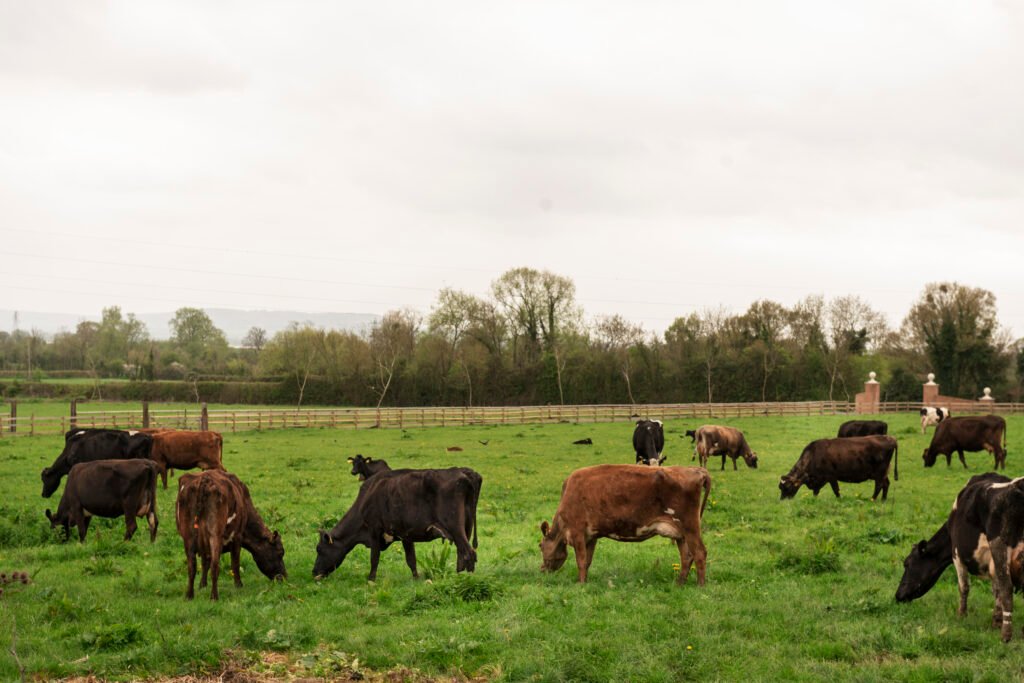
catle farming
What is Cattle Farming? (Meaning & Definition)

Cattle farming refers to the practice of raising cattle for various purposes, including meat, milk, and leather production. It encompasses a range of activities from breeding and feeding to health care management.
Farmers often choose specific breeds based on their goals—some prioritize beef production while others focus on dairy output. This approach allows them to maximize efficiency and meet market demand effectively.
The essence of cattle farming lies in creating sustainable agricultural systems that can support local economies. Cattle play an essential role not just as livestock but also as contributors to soil fertility through natural grazing patterns.
This form of agriculture is practiced worldwide, with techniques varying by region due to cultural preferences or environmental conditions. Understanding these nuances helps appreciate the complexity behind this age-old industry.
Benefits of Cattle Farming
Cattle farming offers numerous advantages that extend beyond just meat production. It plays a pivotal role in dairy supply, providing milk and related products essential for many diets.
Moreover, cattle contribute to soil fertility through their manure. This natural fertilizer enriches the land, promoting healthy crop growth without relying on synthetic chemicals.
Economically, bovine husbandry can be quite profitable. Farmers can tap into various markets—dairy, beef, leather—and diversify income sources effectively.